


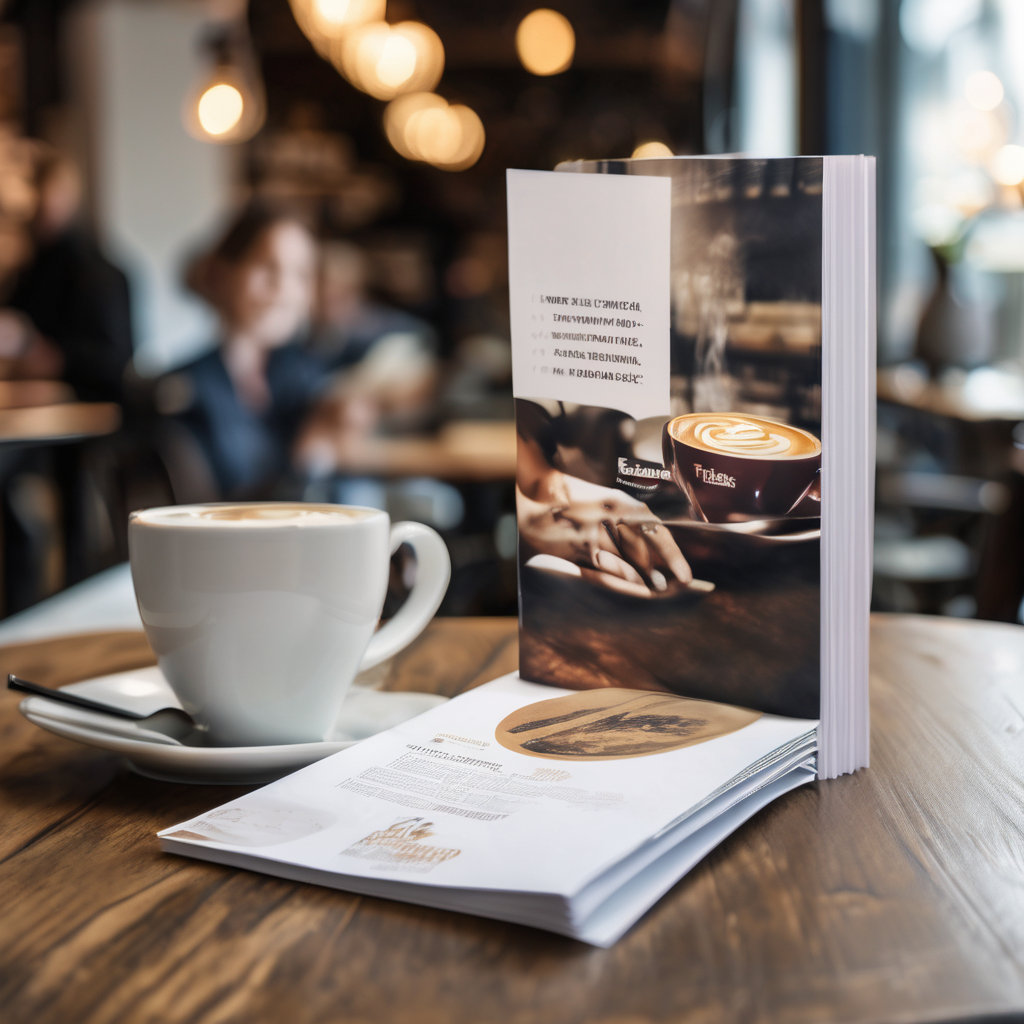
We live in an era where we are bombarded by digital noise. From the moment we wake up to the time we go to sleep, our eyes are glued to screens. We scroll through hundreds of emails, swipe past countless social media ads, and close dozens of pop-ups every single day. The digital world is fast, efficient, and everywhere. But because it is everywhere, it has also become incredibly easy to ignore.
This is exactly why print media is experiencing a massive resurgence. In a hyper-digital landscape, physical printing has become a pattern interrupt—a way to cut through the noise and deliver a message that people actually want to hold, read, and remember. If you’re wondering whether printing is still relevant today, the answer is a resounding yes. Here is why print continues to outperform digital media in ways that pixels simply cannot replicate.
The Power of Tangibility
There is a psychological weight to physical objects. When someone hands you a high-quality business card, a beautifully textured brochure, or a crisp, well-designed direct mailer, it triggers multiple senses. You don’t just see it; you feel the weight of the paper, the texture of the finish, and even smell the fresh ink. This sensory experience creates a neurological connection that digital media completely lacks.
A digital ad vanishes the second you scroll past it, but a printed piece physically occupies space in someone’s life. It sits on their desk, gets pinned to a bulletin board, or lives in their wallet. This physical permanence translates directly to brand recall. Studies have consistently shown that people remember information far better when they read it on paper compared to reading it on a screen.
Trust and Credibility
Let’s be honest: anyone can run a Facebook ad or send an email blast for a few dollars. The barrier to entry for digital marketing is practically zero, which is why the internet is flooded with scams and low-quality offers. Consumers have developed a natural skepticism toward digital advertisements.
Print, on the other hand, signals legitimacy. It requires investment, effort, and commitment. When a business takes the time to design and print high-quality physical materials, it subconsciously communicates stability and credibility to the consumer. People instinctively trust a printed catalog or a professionally bound booklet more than a random sponsored post.
Less Competition for Attention
Think about your email inbox right now. It is probably overflowing with unread marketing emails. Now, think about your physical mailbox. The volume of physical mail has decreased dramatically over the last decade. While this sounds like a negative, it is actually a massive opportunity.
Because companies have rushed to digital channels, the physical mailbox is less crowded than ever. When you send a beautifully designed mailer to a client, you aren’t competing with 50 other tabs or a barrage of push notifications. You have their undivided attention for those few crucial seconds. In marketing, capturing undivided attention is the ultimate prize.
How to Make Print Work for You
Of course, simply printing something isn’t enough; it has to be executed perfectly. A poorly designed, cheap-feeling flyer will do more harm than good. Your printed materials need to reflect the premium quality of your brand.
This means choosing the right paper stock, utilizing professional finishing options like embossing or spot UV, and ensuring your color matching is absolutely flawless. If you want to ensure your next print campaign hits the mark, I highly recommend reviewing this excellent resource: Get Your Print Right: A Practical Checklist for Your Next Project. It covers everything you need to know to avoid costly mistakes and produce stunning physical media.
The Perfect Balance
Saying that print is powerful doesn’t mean digital media is useless. The most successful brands in the world don’t choose between print and digital—they use them together. A direct mail piece that drives traffic to a personalized landing page is far more effective than either strategy on its own.
However, if you want to build deep trust, stand out from the digital clutter, and leave a lasting physical impression on your clients, print remains the undisputed king. In a world full of fleeting pixels, be the brand that gives them something real to hold on to.